

Treasure Coast Area Guide
Fort Pierce Real Estate & Relocation Guide
Explore Fort Pierce’s waterfront, historic downtown, and mainland and island settings—and understand what to compare before choosing your next home.
Fort Pierce · St. Lucie County · Florida’s Treasure Coast
Waterfront · Marina · Inlet Access
Historic Downtown · Beaches · Island Living
Start With the Right Fit
Is Fort Pierce Right for You?
Fort Pierce combines a working waterfront, a historic downtown, and a range of settings from mainland neighborhoods to Hutchinson Island. As the county seat of St. Lucie County, it sits on the Indian River Lagoon, with the Fort Pierce Inlet connecting the lagoon to the Atlantic.
Start by deciding what you want your days to look like. Is walking to downtown a priority? Do you want lagoon or ocean access, a quieter mainland setting, or easy reach of I-95 and Florida’s Turnpike? Those choices can lead to very different searches.
City Limits or a Fort Pierce Address?
A Fort Pierce mailing address does not, by itself, establish that a property is inside the City of Fort Pierce. Confirm the jurisdiction for each property, and distinguish mainland locations from Hutchinson Island and the surrounding unincorporated areas of St. Lucie County.
The Daily Experience
Living in Fort Pierce
Compare the places you would use during an ordinary week, then look at the route and access from each home.
Downtown & Waterfront
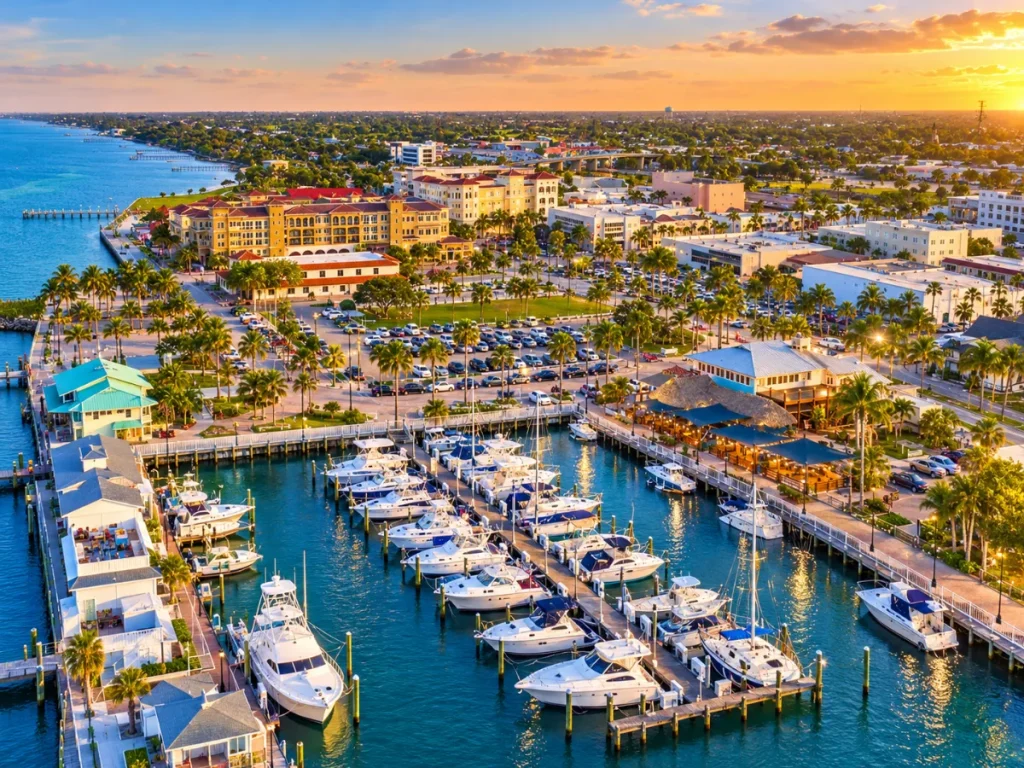
Downtown Fort Pierce combines galleries, boutiques, dining, and live music with the City Marina and Riverwalk Park. The restored Sunrise Theatre, which opened in 1923, anchors the arts scene, and a farmers market is held along the waterfront on Saturday mornings. Compare the actual distance and route from each home.
Boating & Inlet Access
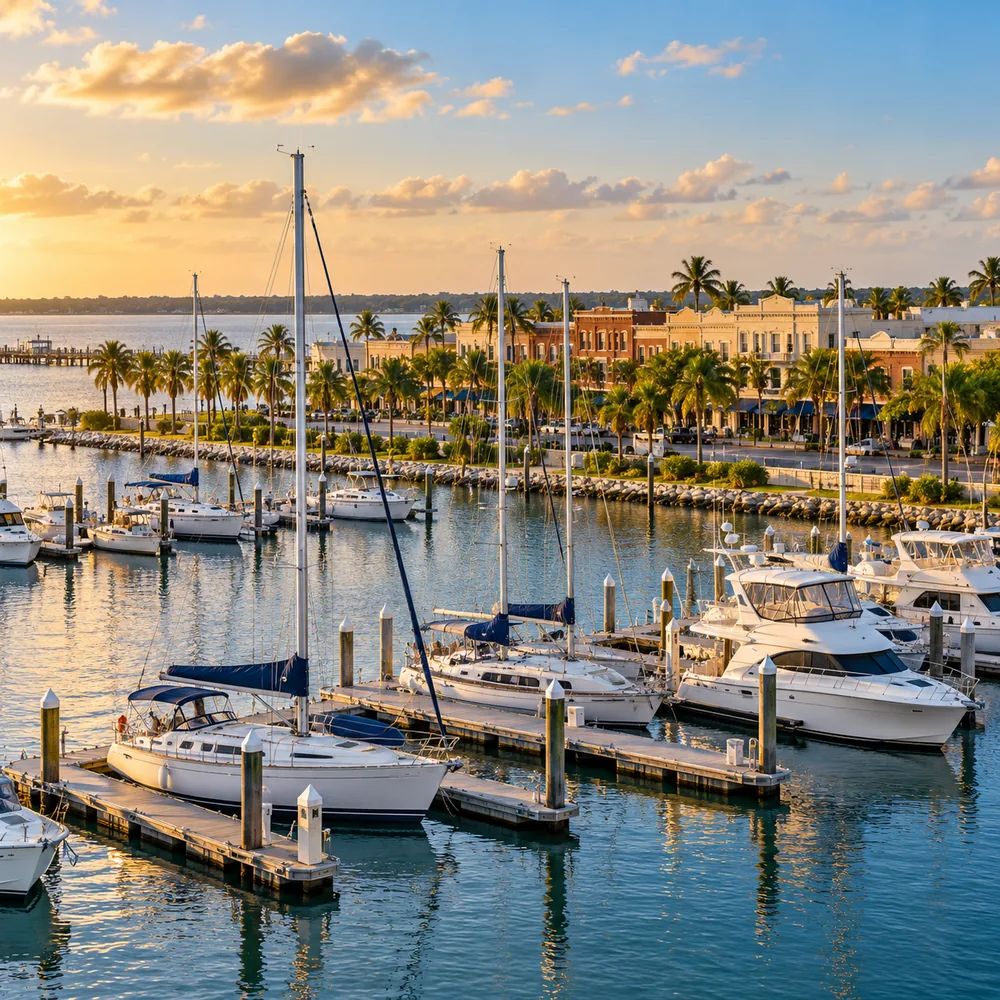
The Fort Pierce Inlet connects the Indian River Lagoon with the Atlantic, and the Port of Fort Pierce is one of Florida’s deepwater ports. A waterfront address is only the beginning of a boating comparison. Review dock rights, bridge clearances, the intended boat, and the route to open water.
Beaches & Recreation
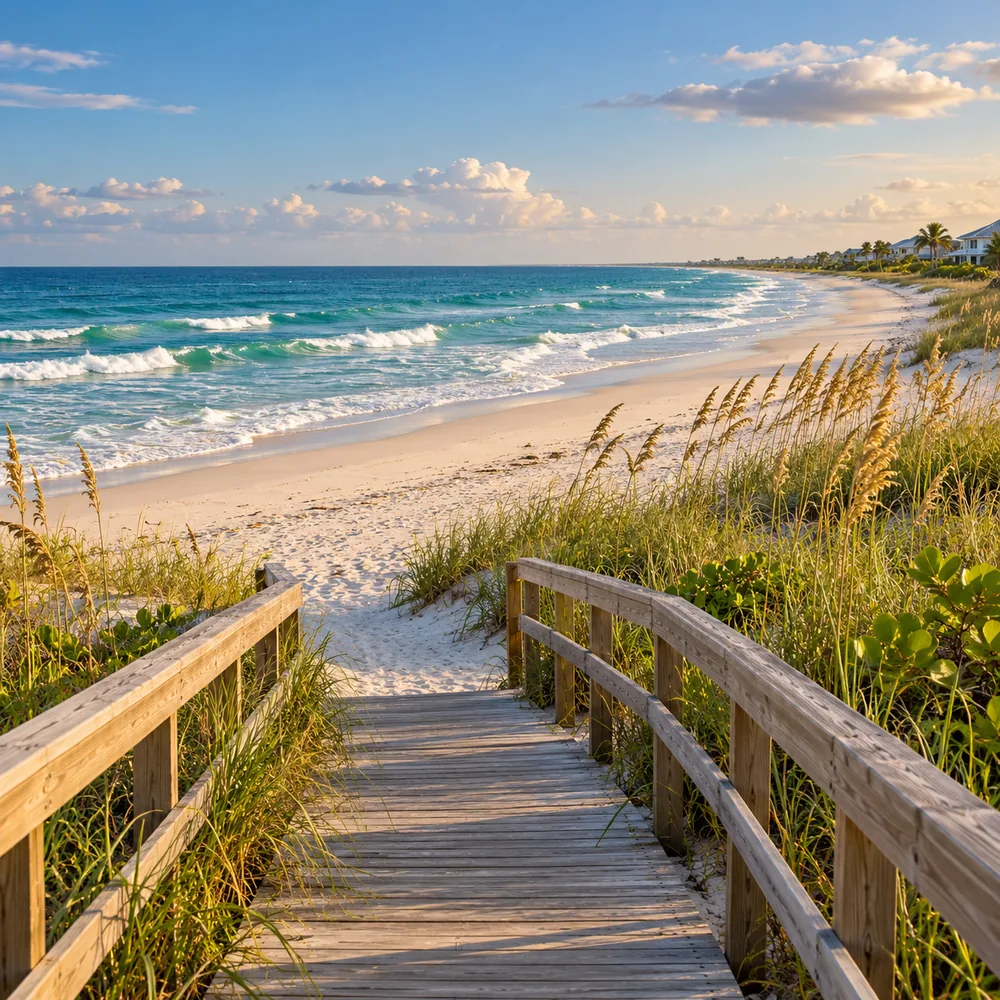
Fort Pierce Inlet State Park and Jetty Park are popular beach and sunrise destinations, and Heathcote Botanical Gardens and the National Navy UDT-SEAL Museum add cultural options. Mainland and island homes offer different day-to-day access, so compare the route to the beach from each property.
Choose Your Setting
Where Should You Live in Fort Pierce?
Use these places as starting points for comparison. They represent different settings across Fort Pierce and the broader area—not a ranking or a promise of available inventory.
Downtown Fort Pierce & Historic Waterfront
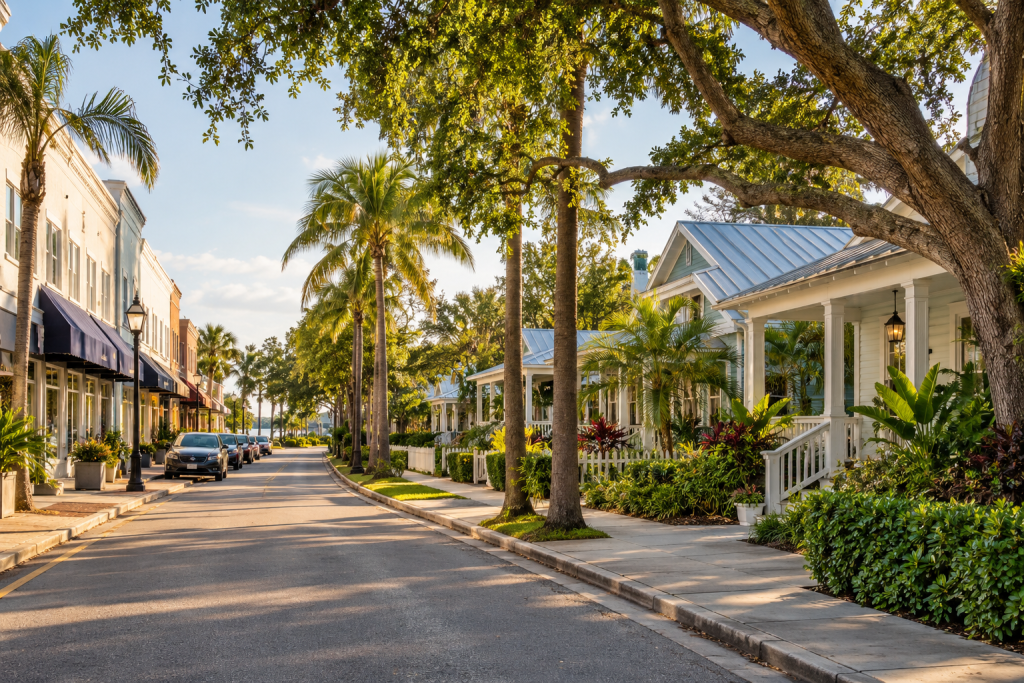
Begin here when access to downtown dining, the City Marina, and Riverwalk Park matters to your search. Compare the exact walking route, parking arrangements, flood zone, and condition of each home rather than assuming every downtown-area property offers the same experience.
Consider if: downtown access and a walkable, established setting lead your search.
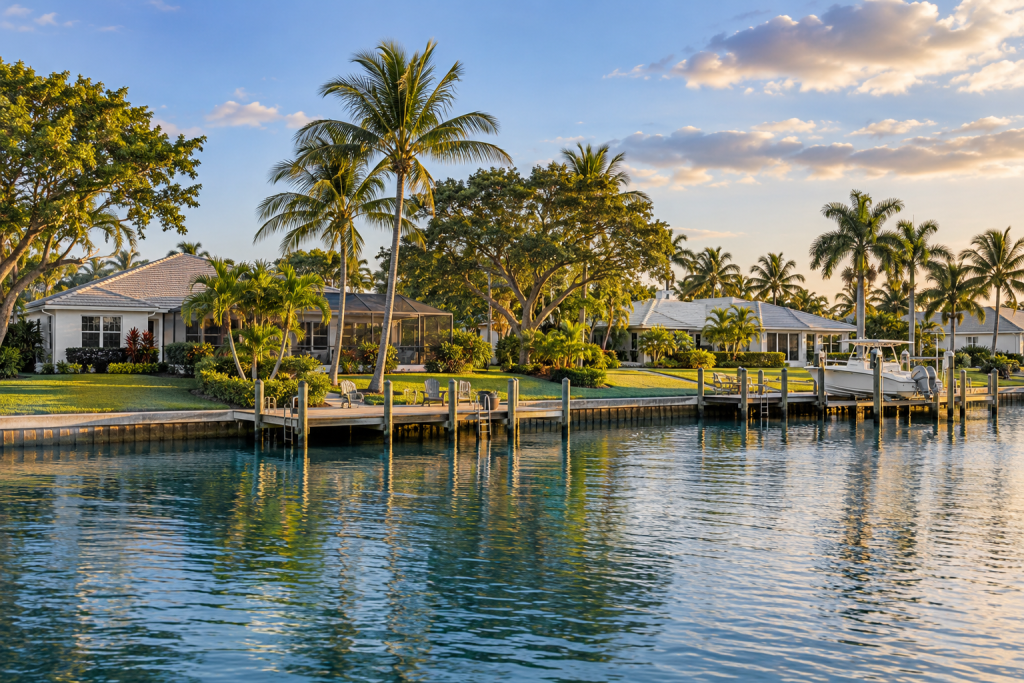
Indian River Lagoon Waterfront — Mainland
Explore homes along the lagoon and its canals when boating and water views lead your search, including the Indian River Drive corridor. Evaluate each parcel individually: a water view, waterfront frontage, and usable boating access are different features. Verify dock and seawall condition, deeded access rights, flood zone, and the route to the Fort Pierce Inlet before comparing properties.
Consider if: lagoon access and a boating-oriented setting matter most.
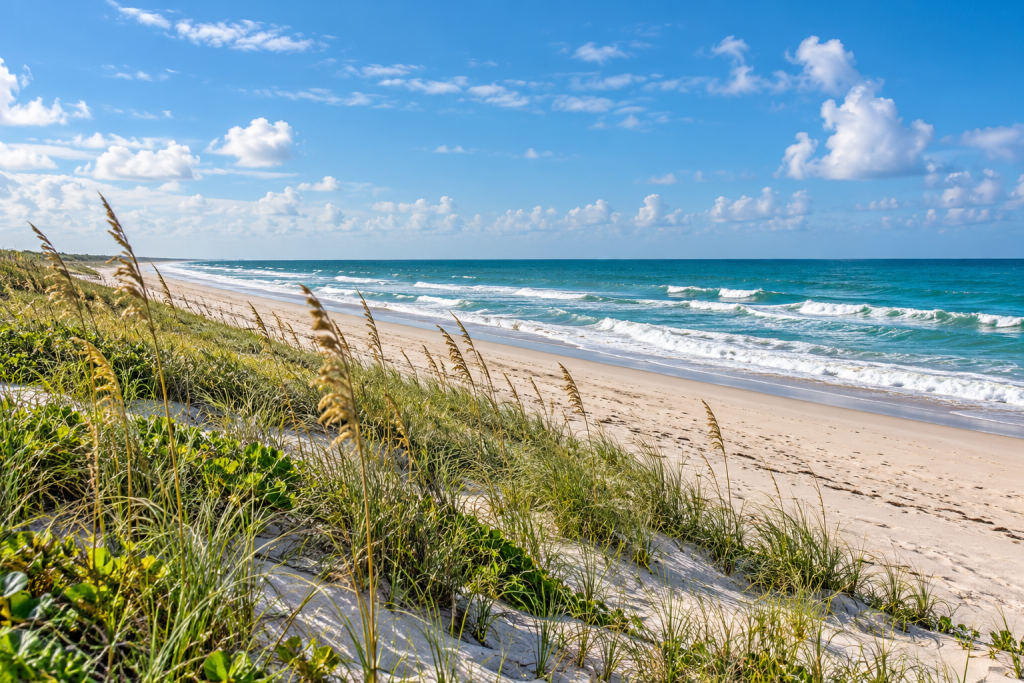
North Hutchinson Island — Beachside
Include the barrier-island side of the area, from South Beach to South Hutchinson Island, when ocean access matters. Compare oceanfront and island-side condominiums and homes separately from mainland options, and review association documents, insurance, flood zone, and bridge access.
Consider if: beach access and an island setting are priorities.
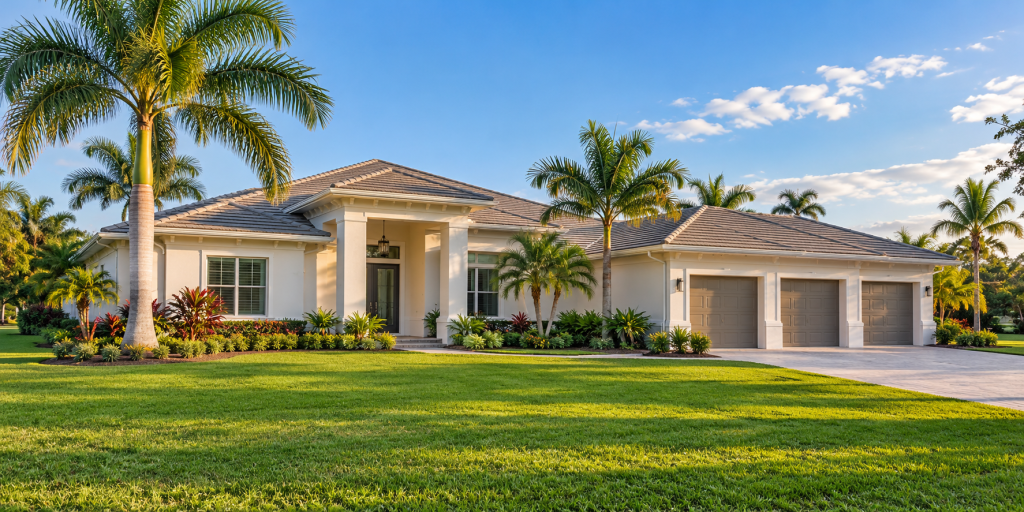
Western Fort Pierce — Near I-95 and the Turnpike
Consider mainland areas on the western side of Fort Pierce when highway access leads your search. Test the routes you would actually use, and verify each property’s jurisdiction, utilities, and association terms.
Consider if: quick access to I-95 and Florida’s Turnpike shapes your routine.
Named Areas to Compare
These named areas can help you compare mainland and northern-area settings. Confirm the jurisdiction, utilities, and restrictions for each specific address.
White City
White City offers an Old Florida setting and access to White City Park on the St. Lucie River. Compare available homes by lot size, condition, and the routes you would use for work, shopping, and recreation. Verify utilities and property restrictions for the specific address.
Indian River Estates
Include Indian River Estates when comparing mainland homes in the broader Fort Pierce area. Confirm whether each address is in the city or the county, and look beyond square footage to drainage, utilities, which may include well and septic, property condition, and any recorded restrictions. Visit the immediate surroundings and test your everyday driving routes.
Lakewood Park
Include Lakewood Park in a northern-area home search. Compare individual streets and properties for lot characteristics, maintenance, and convenient access to the places you visit most. Confirm utilities, drainage, and applicable restrictions before making a decision.
Browse current Fort Pierce homes for sale.
View Fort Pierce Homes for SaleHome Types
What Types of Homes Can You Find Around Fort Pierce?
Use these categories to organize your search. Availability changes, and the right comparison depends on the property’s location, condition, and total ownership cost.
Waterfront Homes
Compare water frontage, access rights, dock and seawall condition, and the suitability of the waterway for your boat. A waterfront label alone does not tell you how a property will function.
Beach Area Homes & Condominiums
Compare the convenience of beach access with insurance, maintenance, parking, and association costs. For a condominium, evaluate the building and association as carefully as the individual unit.
Established Single Family Homes
Look at renovation quality, roof age, floor plan, and permitted improvements. An updated interior is only one part of a home’s condition and value.
Gated & Golf Communities
Review the community’s rules, fees, and amenities. Confirm whether club membership is optional or required, what it costs, and which facilities are included in ownership.
New Construction
Compare the total price after upgrades, lot premiums, and closing costs. Review completion timing, warranty terms, association fees, and any applicable CDD assessments.
Larger Lots & Acreage
Evaluate usable land, drainage, access, utilities, and maintenance. Verify zoning and recorded restrictions before assuming that a property permits a workshop, boat storage, animals, or an additional structure.
The Coastal Fit Method™
Choose the Community Before the House
Tiffany L Young uses the Coastal Fit Method™ to help buyers compare lifestyle, community, property, location, and long-term fit. The comparison includes everyday routines, ownership costs, and the features that matter most to your move.
Compare lifestyle, community, property, location, and long-term fit. Start with your everyday routines, preferred amenities, ownership costs, and the features that matter most to your move.
Plan Your Daily Routine
Schools & Education
St. Lucie Public Schools uses regional school zones rather than neighborhood schools, and the district publishes zone maps and an address-based school locator. Families can also apply for school choice, magnet, and other programs during separate application windows.
School zoning can change. Verify the exact property address and applicable school year directly with the district before relying on an assignment. A community name or real estate listing is not a substitute for district confirmation.
Know Your Connections
Transportation & Travel
Compare each home’s access to US 1, I-95, Florida’s Turnpike, downtown, and your regular destinations. Test the routes you would actually use at the times you expect to travel; fixed commute times are not promised.
Local Transit
Area Regional Transit (ART), operated by St. Lucie County, provides fare-free public transit serving Fort Pierce, Port St. Lucie, and nearby areas. Freebee, a free, on-demand, all-electric ride service, also serves the Fort Pierce Redevelopment Agency districts. Riders request a ride through the Freebee app or by phone and must be 18 or older, and rides must begin or end in the inner zone. Check the current ART route map and Freebee service area and schedules against the exact home location and destination.
Airport Planning
Treasure Coast International Airport is in Fort Pierce but serves general aviation rather than scheduled passenger flights. The nearest major commercial airport is Palm Beach International in West Palm Beach, and Melbourne Orlando International also offers scheduled service. Mileage and travel time vary with your starting location and route; confirm airlines and schedules separately.
Understand the Tradeoffs
What to Appreciate—and What to Consider
Reasons to Explore Fort Pierce
A historic downtown and working waterfront; inlet access to the Atlantic; nearby beaches and parks; and a housing search that can include mainland homes, waterfront properties, and island condominiums. These strengths are most useful when the specific property supports the lifestyle you want.
Questions to Resolve Before Buying
How does the location work for your daily routine? What condition and maintenance needs does the home have? What flood zone, insurance, and association obligations apply? Are the boating or beach-access features you expect actually available to the property?
Compare the Full Ownership Picture
Request property-specific information about taxes, insurance, association fees, and maintenance. For waterfront and island properties, review flood zone, seawall or dock condition, and association documents before treating two similarly priced homes as equivalent.
Before You Buy
What Should You Know Before Buying a Fort Pierce Home?
The purchase price is one part of the decision. Review the costs and property details that will shape your budget after closing.
Estimate Property Taxes After Purchase
The seller’s current tax bill may not reflect your future bill. A change of ownership can trigger reassessment, and the prior owner’s exemptions and assessment benefits do not automatically become yours. Use the St. Lucie County Property Appraiser’s resources to estimate taxes and confirm any homestead or portability eligibility.
Obtain Property-Specific Insurance Quotes
Obtain homeowners and any applicable wind and flood quotes early. Ask your insurance professional to review the address, roof, construction, storm protection, and available inspection reports. Two homes at similar prices can have different insurance costs.
Review Association Fees & Assessments
Confirm HOA or condominium fees, what they cover, and any applicable CDD assessments. Review the current budget, financial records, rules, and existing or proposed special assessments. For condominiums, request milestone inspection and structural integrity reserve study information where applicable.
Look Beyond Cosmetic Updates
Review roof age, impact protection, major systems, permit history, and maintenance records. Use qualified inspectors and relevant specialists to evaluate issues that could affect your budget or decision.
Verify Waterfront Features
For a waterfront home, investigate the seawall, dock, and lift independently of the house inspection. Verify permits, access rights, water depth, and boating limitations rather than relying on photographs or listing descriptions.
Confirm Jurisdiction & Utilities
Confirm whether the property is inside Fort Pierce or in a surrounding county area. Verify the utility providers, water and sewer or septic arrangements, zoning, and recorded restrictions for that parcel.
Selling in Fort Pierce
Selling a Home in Fort Pierce Takes a Property-Specific Strategy
A useful pricing strategy begins with the homes a buyer would realistically compare with yours. Location, condition, property type, ownership costs, and waterfront features can change that comparison. A broad area average is a starting point, not a complete valuation.
Price With the Coastal Valuation Method™
My Coastal Valuation Method™ moves through Property Position, Market Evidence, Buyer Value, Strategic Value, and Market Response. We examine comparable sales, active competition, pending activity, and the features that influence how buyers evaluate your home. The goal is to price from the evidence, preserve reasonable negotiation room, and avoid pricing so far above the market that the listing loses momentum.
Prepare With the Coastal Ready Approach™
My Coastal Ready Approach™ focuses on Condition, Presentation, Buyer Confidence, Access, and Timing. We identify preparation priorities, review available permits and maintenance documentation, and consider how showing access and timing affect the launch. For waterfront homes and condominiums, organizing the relevant property or association records can help buyers assess the purchase more clearly.
Compare Nearby Locations
How Does Fort Pierce Compare With Other Treasure Coast Locations?
Compare the locations that support your lifestyle rather than choosing from a city name alone. These guides can help you narrow the settings and property types you want to explore.
Port St. Lucie
Compare Port St. Lucie if your search includes mainland neighborhoods or planned communities. Review the specific community’s amenities, rules, carrying costs, and routes alongside your Fort Pierce options.
Stuart
Compare Stuart if you are also exploring the southern Treasure Coast. Consider the settings closest to the places you expect to visit, then compare property condition, water access, and ownership costs.
Palm City
Compare Palm City if you are also exploring the southern Treasure Coast. Review the specific community’s lot characteristics, rules, and carrying costs, and compare the routes you would use every day alongside your Fort Pierce options.
Vero Beach
Compare Vero Beach if you are also considering locations farther north. Evaluate mainland and island settings separately, and compare the actual homes and daily routes that fit your priorities.
Plan Your Next Smart Move
Plan Your Fort Pierce Move With Tiffany
Tiffany L Young, Broker of Young Group, brings 20 years of real estate experience in South Florida and the Treasure Coast to your next move in Fort Pierce.
For buyers, the process begins with understanding the lifestyle, location, and property choices that matter most in Fort Pierce. For sellers, it begins with evaluating the home’s competitive position and the decisions that deserve attention before launch.
Whether you’re moving to Fort Pierce, changing communities, or preparing to sell, Tiffany helps you compare your options and move forward with a clear plan.
Questions Before You Move
Fort Pierce Real Estate & Relocation FAQs
Your Next Step
Thinking About a Move in Fort Pierce?
Whether you are deciding where to live or preparing to sell a Fort Pierce home, begin with a clear view of your options and the market around you.
Moving to Fort Pierce
Compare communities, lifestyle, property choices, and timing before narrowing the search.
Plan Your Fort Pierce MoveSelling in Fort Pierce
Understand your home’s competitive position before choosing a price and preparing your next move.
Get Your Personalized Home Valuation