

Waterfront Real Estate on Florida’s Treasure Coast
Buy or Sell a Treasure Coast Waterfront Home
Selling or buying a waterfront home on the Treasure Coast starts with understanding what makes the property right for its next owner. Get a clear picture of pricing, water access, condition, and ownership costs so you can make your next move with confidence.
Stuart · Port St. Lucie · Fort Pierce · Vero Beach · Hobe Sound
Waterfront · Riverfront · Canal · Oceanfront · Lakefront
Selling Waterfront
Selling a Waterfront Home Starts With Understanding Its Differences
A waterfront home brings a different set of questions to a real estate transaction. Buyers may love the view, but they also need to understand the boating route, shoreline improvements, maintenance, and ownership costs before deciding what the property is worth to them.
Your selling strategy should connect those details to the market evidence. You need a price you can support, a clear presentation of your home’s advantages, and answers to the questions buyers are likely to raise during negotiations.
Whether you own a riverfront home, a canal property with a dock, or a home overlooking a community lake, the strategy starts with the characteristics of your particular property.
Waterfront Pricing Framework
What Shapes Your Waterfront Home’s Market Value
Your pricing decision should account for the waterfront features buyers compare alongside square footage and interior finishes. The Coastal Valuation Method™ brings those details together, giving you a clearer basis for deciding where to enter the market.
Property Position
Start with what makes your property distinct: its waterfront setting, frontage, outlook, privacy, outdoor living, and improvements. For a boating property, establish which access characteristics are documented and which limitations need further verification.
Market Evidence
Review relevant closed sales, pending activity where information is available, active competition, and expired listings. Separate genuinely comparable waterfront properties from homes that share a broad waterfront label.
Buyer Value
Consider how likely buyers will use the property. A protected dock, open-water view, pool terrace, or low-maintenance setting may appeal to different buyers. Condition and usability help determine how those features compete.
Strategic Value
Use the evidence to establish a price that reflects your home’s competitive position. Your strategy should preserve reasonable negotiation room without placing the listing so far above competing options that it loses momentum.
Market Response
Evaluate showing activity, buyer feedback, price reductions, time on market, and new competition as the listing progresses. Use that information to decide whether presentation, access, or price needs attention.
Your Waterfront Valuation
A Waterfront Valuation Begins With Your Property
Find out how your home’s waterfront features, condition, and competition shape its market position. Share your selling goals and timeline to begin a personalized valuation and identify your next steps toward listing.
Waterfront Seller Preparation
Prepare Your Waterfront Property for Buyer Scrutiny
Before you spend money preparing to sell, identify what deserves attention and why. The Coastal Ready Approach™ helps you prioritize what buyers will see, the records they may request, and the questions that call for a qualified specialist.
Condition
Review the home, outdoor areas, seawall or shoreline protection, dock, and lift where present. Consider appropriate professional evaluations to understand concerns before deciding how to address them.
Presentation
Make the relationship between the home and the waterfront easy to understand. Clear sightlines, maintained landscaping, and usable outdoor spaces help buyers evaluate the setting.
Buyer Confidence
Organize the records you have, including permits and final approvals, surveys, inspection reports, maintenance receipts, equipment information, and transferable warranties where applicable. Missing records should become a question to investigate.
Lifestyle Story
Show buyers how the home lives on the water. Describe the outdoor spaces, the view, and the access characteristics you can document, and avoid implying boating rights or conditions you can’t verify.
Launch Readiness
Plan showing access and a realistic preparation schedule. Decide which work is worth completing before listing and which issues should be discussed as part of the sale strategy.
Seller Checklist
Your Waterfront Seller Checklist
• Available dock, lift, and seawall permit records and final approvals.
• Existing surveys, elevation certificates, and relevant inspection reports.
• Maintenance receipts, repair history, and equipment specifications.
• Association documents and information about any marina or slip arrangements.
• A list of known concerns and questions for the appropriate professionals.
Permit requirements depend on the location and proposed work. For example, Martin County requires permits to construct docks and boat lifts and seawalls. Confirm the requirements and records for the particular property with the agencies that have jurisdiction. For a closer look at one local market, read Selling a Stuart Waterfront Home.
Waterfront Settings
Find Your Waterfront Setting
Your waterfront setting shapes how you live in the home and how future buyers may evaluate it. Explore the differences below, then consider the access, amenities, and responsibilities of the individual property.
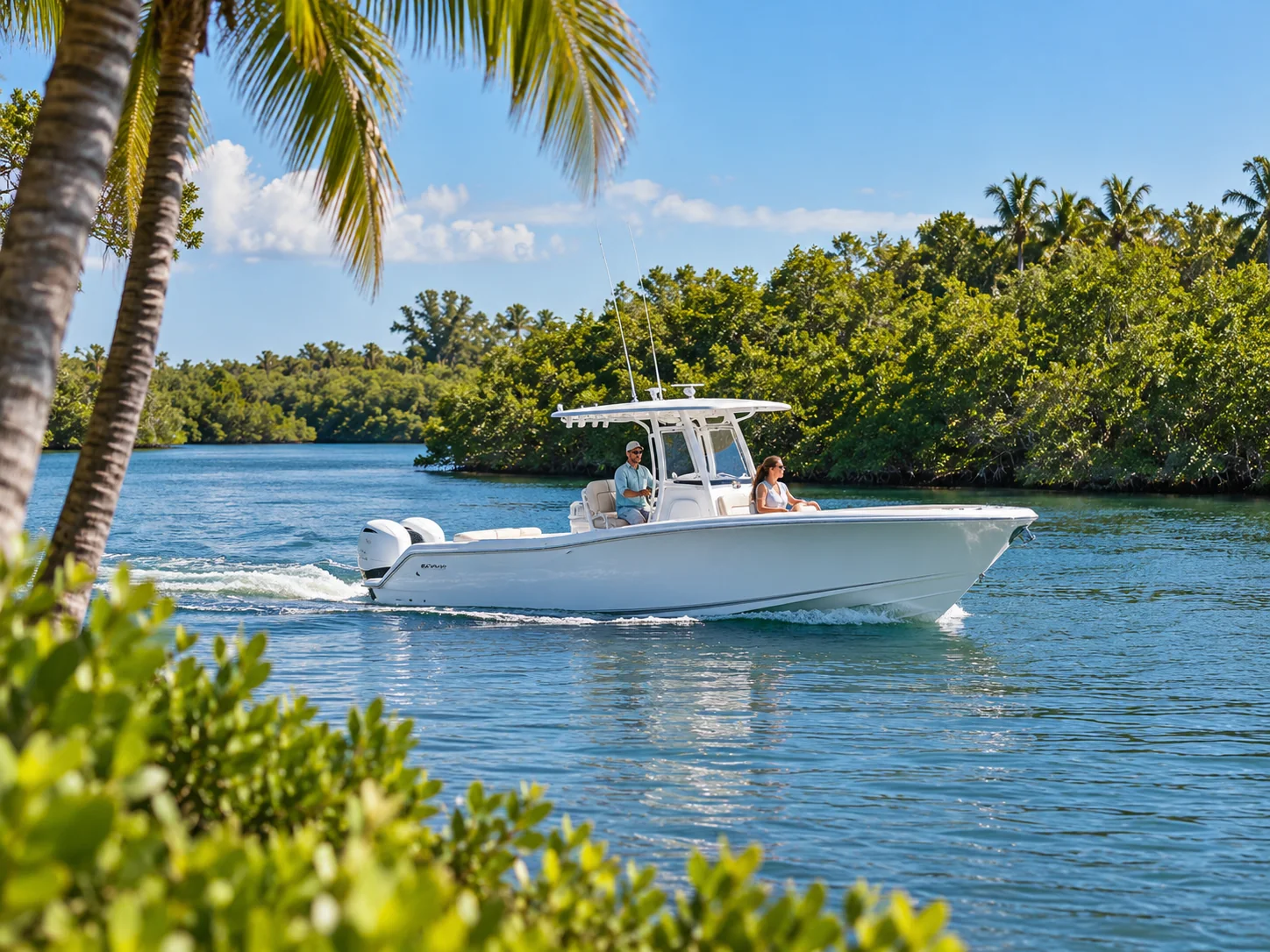
Riverfront Homes
Consider the outlook, shoreline, exposure, and relationship between the home and the river. For a boating buyer, the route and dock suitability belong in the comparison from the beginning.

Intracoastal Waterfront Homes
Compare views, vessel traffic, outdoor living, and any available docking. Investigate the practical boating route and how the setting fits everyday life.