

New Construction • Florida’s Treasure Coast
Treasure Coast New Construction Homes
Compare communities, evaluate ownership costs, and choose a new home that supports your lifestyle and next move.
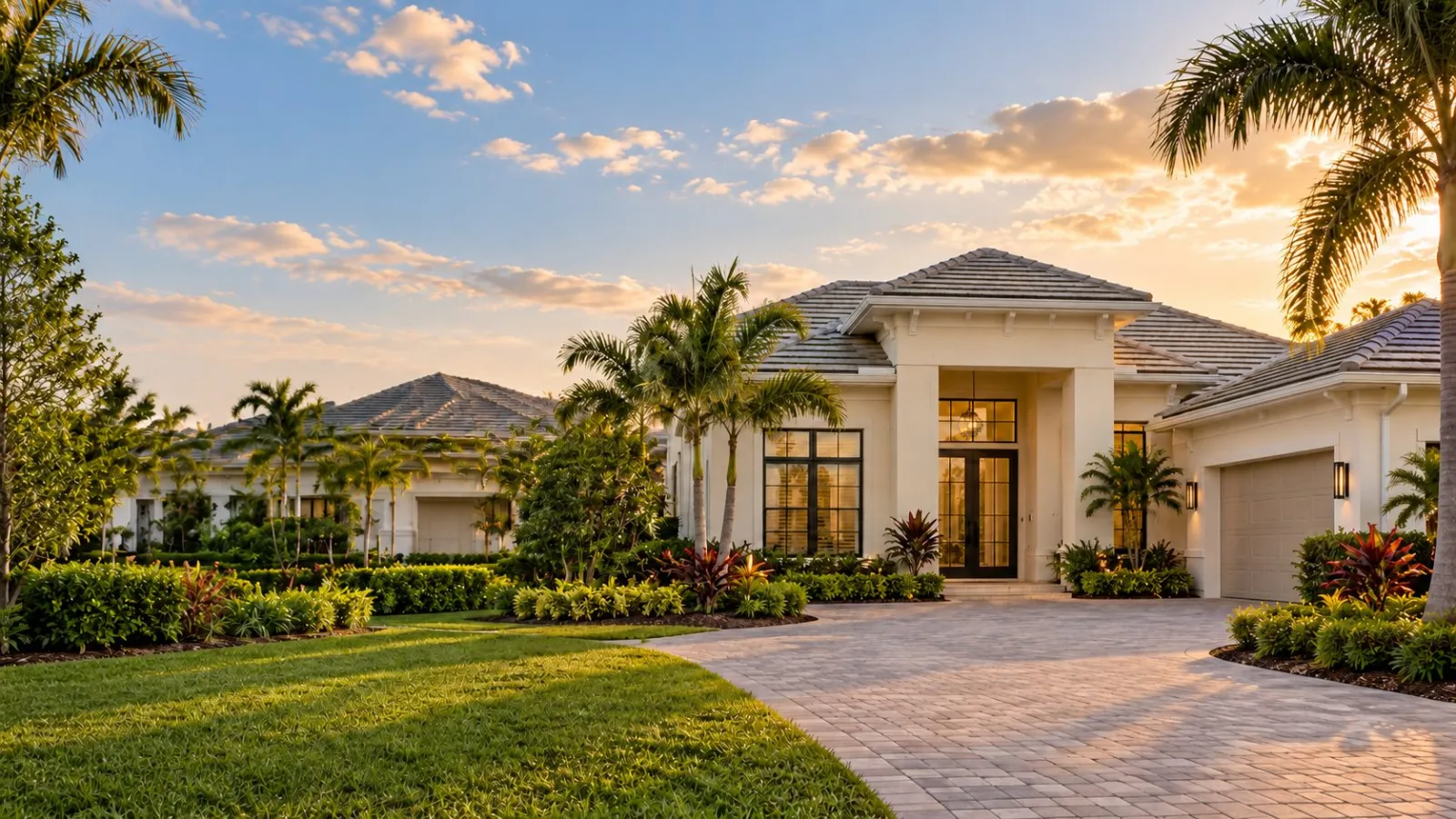
Port St. Lucie · Stuart · Palm City · Fort Pierce · Vero Beach
New Construction · Waterfront · Golf · Gated · Coastal
The Bigger Picture
A New Home Starts With the Right Community
The model home is only part of the decision. The community around it shapes how you’ll live, what you’ll pay, and how well the home holds up for your plans. Before you compare floor plans, it helps to compare location and everyday convenience; homesite, floor plan, and outdoor space; community amenities and rules; overall budget and ownership costs; and construction timeline and moving plans.
Tiffany helps you weigh these choices side by side, so you can see which community and home fit your life before you commit to a builder’s timeline.
Coastal Fit Method™
Find Your Coastal Fit in New Construction
The Coastal Fit Method™ connects the home you’re considering with the life you want to build around it. The goal is a clear reason for choosing a property, supported by a thoughtful comparison of the alternatives.
Lifestyle and daily flow
Consider how you’ll use the community, where you’ll spend your time, and which amenities matter enough to influence your decision. Think through ordinary weekdays as carefully as weekends.
Location and surroundings
Evaluate travel routes, nearby services, surrounding land uses, and planned development. A community’s setting matters alongside the home itself.
Property and homesite
Compare room sizes, storage, privacy, sun exposure, outdoor living, and the relationship between the house and its lot. Review the actual specifications rather than relying only on the model home’s presentation.
Ownership costs
Build a budget that includes taxes, insurance, HOA fees, any applicable Community Development District assessments, and the features or services you’ll pay for separately.
Long term fit
Consider how the home will work as your needs change. Community buildout, future competition, maintenance, and resale considerations belong in the decision alongside today’s appeal.
Ways to Buy New
Explore Your New Construction Options
These categories can overlap, so a home may fit more than one.
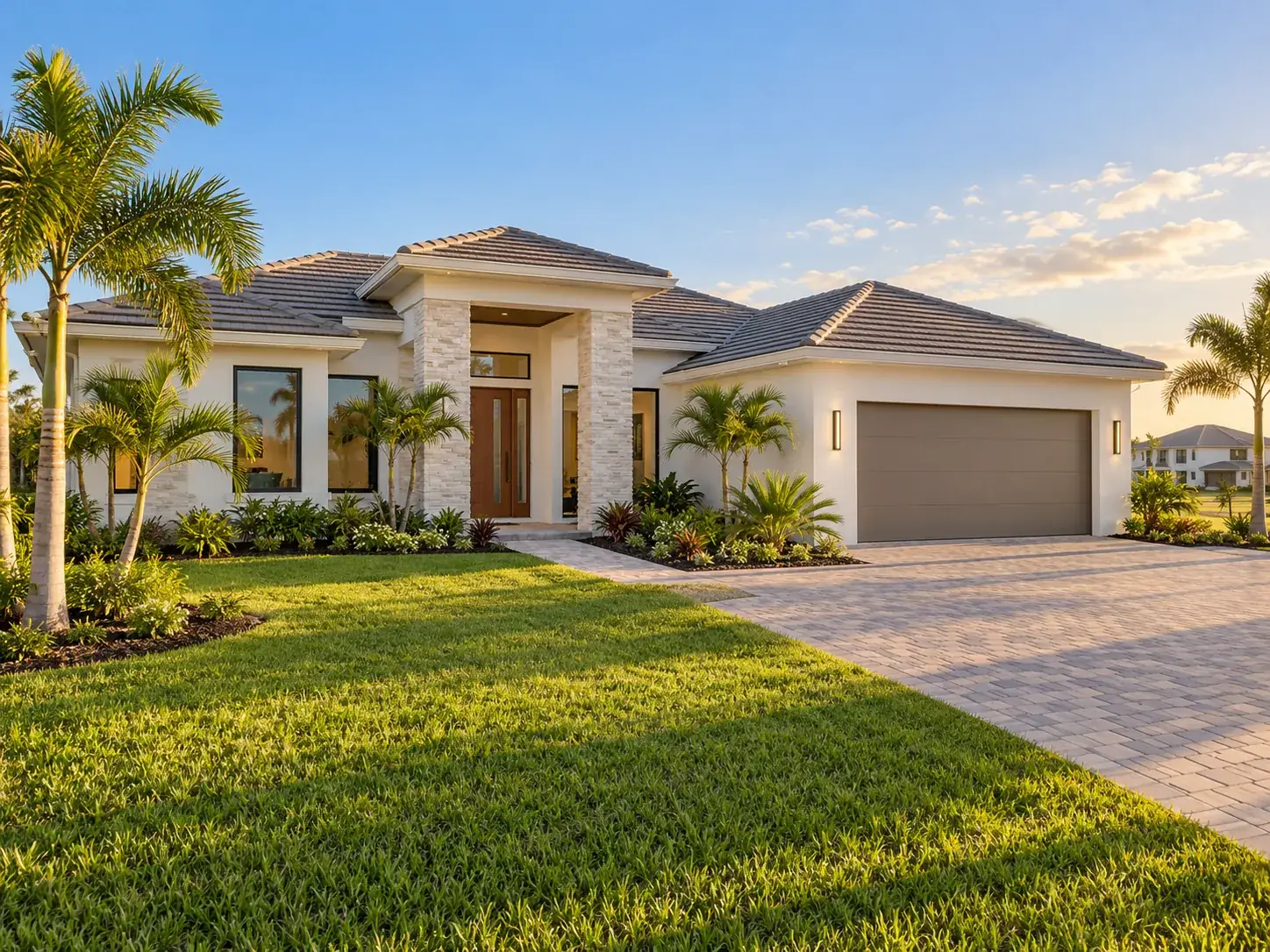
Move-In-Ready Homes
Completed or nearly complete homes for buyers who want a shorter path to moving in. You can see the finished home, though choices and upgrades are often already set.
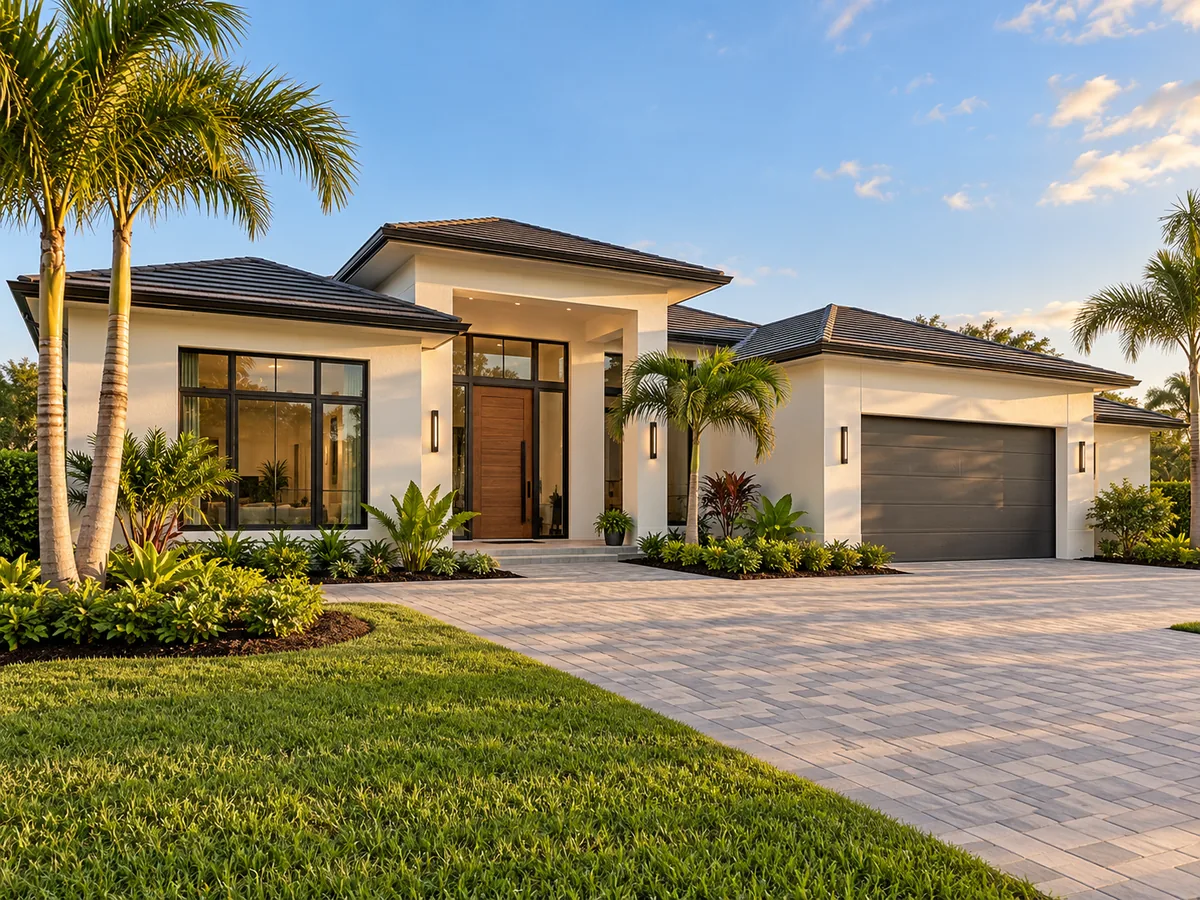
To-Be-Built Homes
Choose a homesite and floor plan, then select finishes with the builder. This path offers more say in the details and usually a longer timeline, so total pricing and timing deserve a close look.
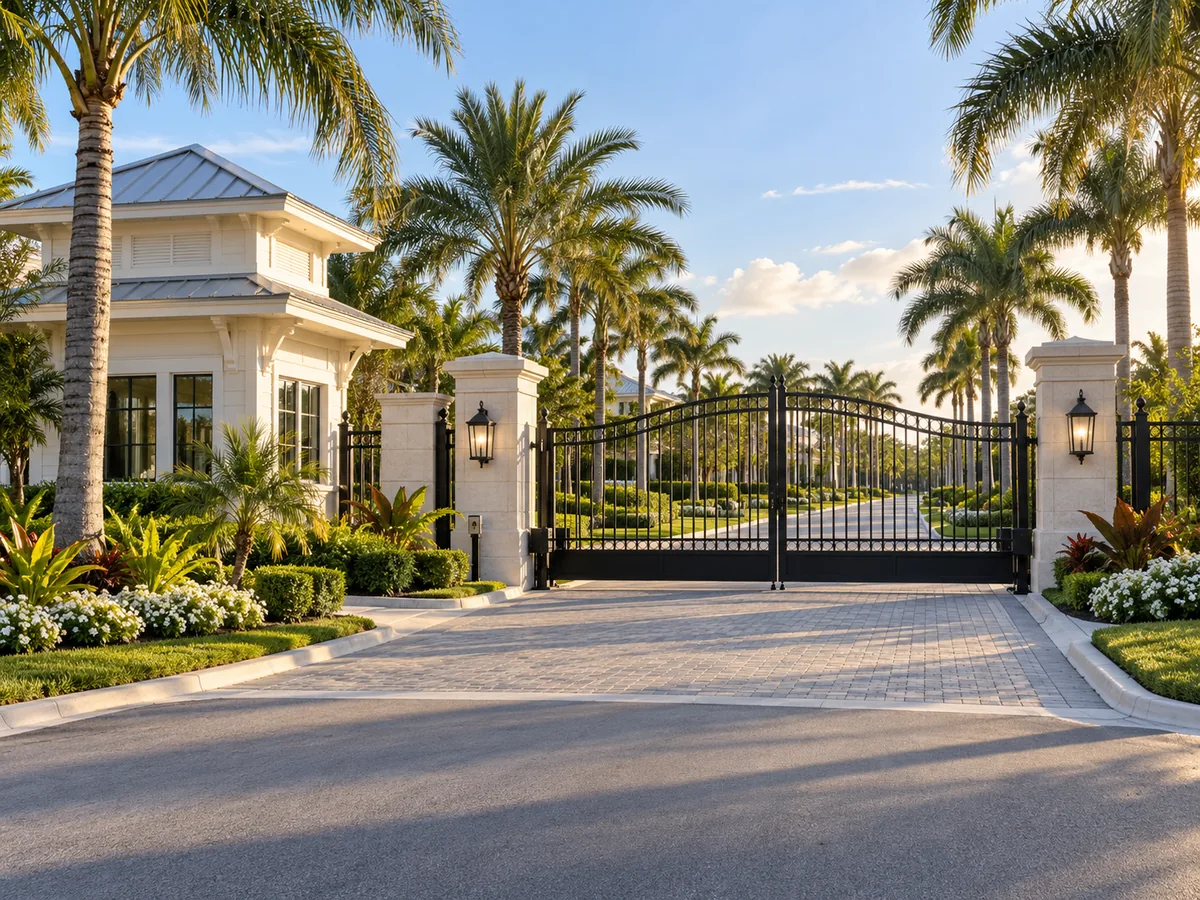
Gated, golf, resort-style, and 55+ settings where amenities and community rules are part of the purchase. Many buyers compare these on how they’ll use the amenities day to day.
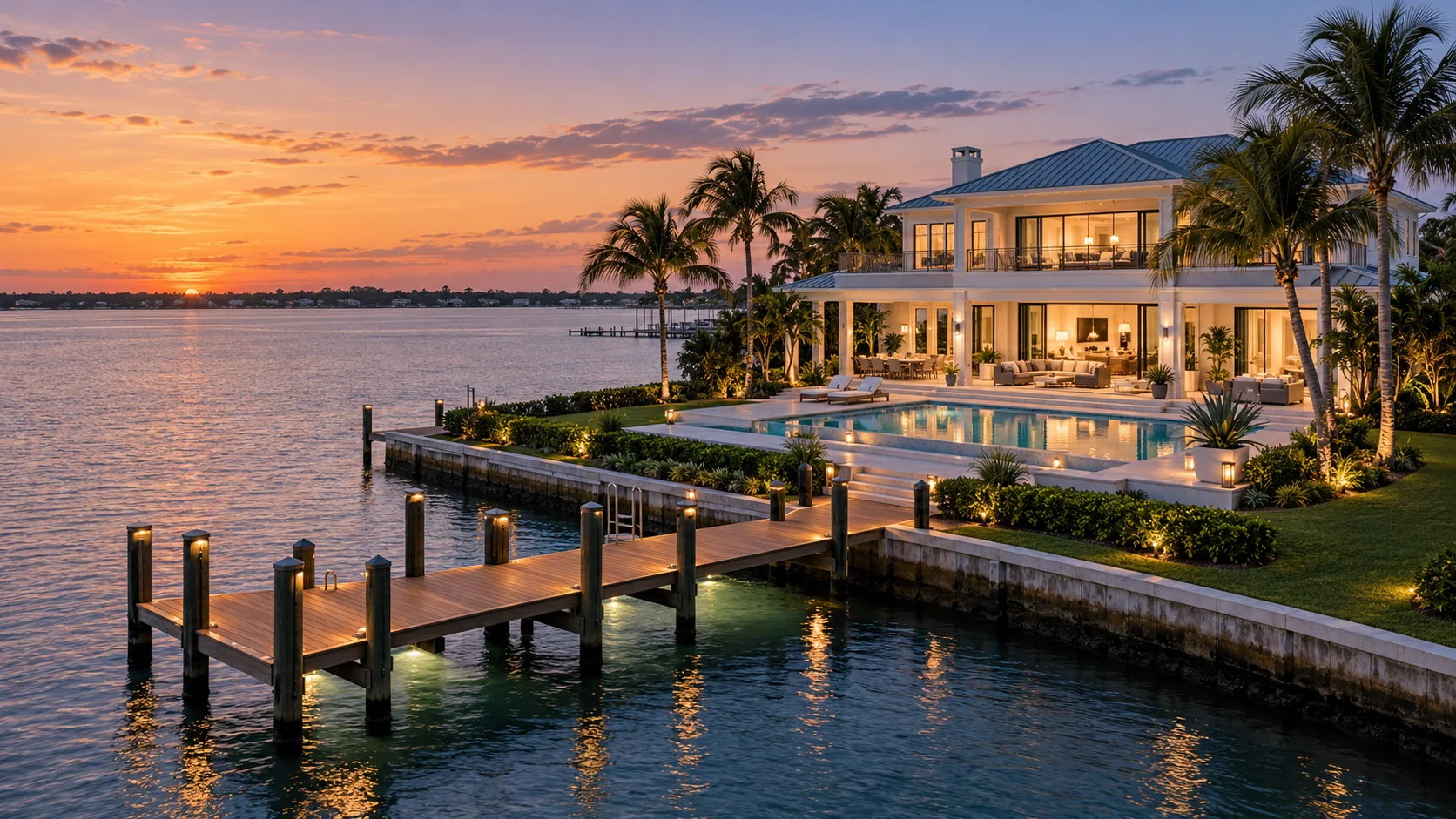
Individual-Lot & Custom Homes
For buyers who want a different setting or building approach, such as a homesite outside a master-planned community. Lot conditions, permitting, and builder selection often become bigger decisions.
Total Cost & Terms
Compare the Complete Purchase
The advertised base price rarely tells the whole story. Use the same comparison categories for every home you consider. That makes it easier to see what you’re buying, what you’ll pay, and which questions remain unanswered.
Purchase price and included features
Request an itemized view of the base price, homesite premium, structural options, design selections, and other charges. Confirm whether the finishes, appliances, landscaping, and outdoor features you want are included in the specific home.
Ownership costs
Estimate taxes for the completed home using the relevant county property appraiser’s resources. Confirm which assessments are excluded from the estimate. Obtain property-specific insurance quotes and review HOA budgets, fees, and any applicable CDD assessments before finalizing your budget.
Financing and incentives
Ask for written incentive conditions and compare financing offers using Loan Estimates for comparable loan types. Review the rate, lender charges, credits, cash needed at closing, and ongoing payment. Ask the lender to explain rate-lock terms and any temporary payment reduction.
Deposits and purchase terms
Understand when deposits are due, what the agreement says about refunds, and how selections or changes affect the purchase. Identify contract questions that need a Florida real estate attorney’s review before signing.
Completion and closing expectations
Clarify how the builder communicates progress, what must happen before closing, and how the agreement addresses delays. Plan inspections, walkthroughs, and moving arrangements around confirmed milestones.
Inspections and warranties
Discuss independent inspection opportunities before committing, including permitted access and timing. Review the written warranty, exclusions, maintenance responsibilities, and process for reporting concerns.
Incentives, fees, and contract terms vary by builder and community and can change. Buyers should verify them in the current contra